
Great Bodily Injury By Motor Vehicle
Legal Definition
A person commits great bodily injury by motor vehicle when, while driving under the influence of intoxicating liquor or drugs or while driving recklessly, the person causes an accident resulting in great bodily harm to another person. Great bodily harm means an injury that creates a high probability of death or causes serious disfigurement or results in permanent or protracted loss or impairment of the function of any member or organ of the body. This offense is distinct from vehicular homicide in that the victim survives but sustains severe injuries.
Possible Punishment
Basic sentence of 3 years imprisonment; fine up to $5,000. A mandatory period of parole follows release. Because this offense involves DWI or reckless driving causing great bodily harm, courts may impose enhanced penalties, and the defendant may face additional DWI-related sanctions such as license revocation, ignition interlock requirements, and mandatory substance-abuse screening or treatment.
Local Context
This charge is closely related to vehicular homicide under the same statute but applies when the victim suffers great bodily injury rather than death. The offense requires proof that the defendant was driving while intoxicated or recklessly and that this conduct directly caused the serious injury. It is often charged alongside DWI and other traffic offenses arising from the same incident.
Violent-Crime Cases in Doña Ana County
Violent charges are where New Mexico's pretrial system shows its teeth. For serious felony cases (aggravated battery, armed robbery, homicide), the District Attorney frequently files a pretrial detention motion asking the Third Judicial District Court to hold the defendant with no possibility of release. That is why some people in our booking feed are released within a day while others charged under the same statute stay in custody until trial.
Many bookings in this category involve household members, which triggers additional consequences: no-contact release conditions, orders of protection, and, after a qualifying conviction, a federal firearm prohibition. Charges listed at booking are the arresting officer's charges; the DA decides what is actually filed, and amendments are common in violent-crime cases as evidence develops.
Related Guides
Domestic Violence Charges in New Mexico: Household Members, No-Contact Orders, and Why Victims Can't Drop Charges
How battery against a household member works in New Mexico: misdemeanor vs. felony versions, no-contact release conditions, protection orders, and firearm consequences.
Bail in New Mexico: Why There Is (Mostly) No Cash Bail Anymore
New Mexico voters ended most cash bail in 2016. How pretrial release, bond conditions, and no-bail detention actually work in Doña Ana County courts.
Misdemeanor vs. Felony in New Mexico: Sentences, Courts, and Consequences
How New Mexico separates petty misdemeanors, misdemeanors, and felony degrees: sentence ranges, jail vs. prison, habitual enhancements, and collateral costs.
Recent Arrests for This Charge (3)

Albuquerque Man, 29, Booked on Felony Charge of Injury by Motor Vehicle
JULIAN OTERO-CALDWELL | 3 charges
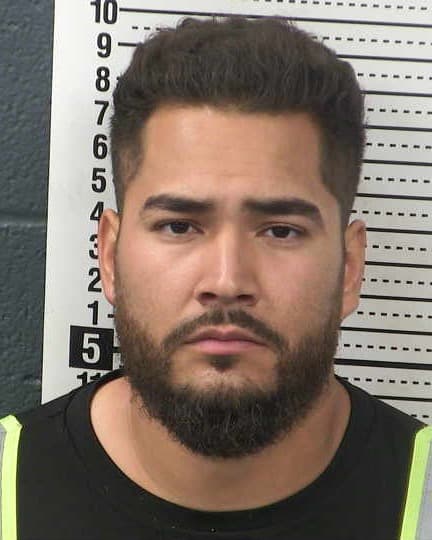
Man, 30, Charged with Great Bodily Injury by Motor Vehicle in Doña Ana County
DIEGO DEL VALLE ARRELLANO | 1 charge

Las Cruces Man, 22, Booked on Felony Charges Following Stolen Vehicle Crash
ANGEL TORRES-TOVAR | 4 charges
Information provided for general reference. Statutory text is summarized and may not reflect the most recent amendments. All persons listed are presumed innocent until proven guilty.