
Shoplifting $100 To $500
Legal Definition
A person commits shoplifting by willfully taking possession of, carrying away, transferring, or causing to be carried away or transferred any merchandise displayed, held, stored, or offered for sale by a store or merchant with the intention of converting the merchandise and depriving the merchant of possession or the full retail value. When the value of the merchandise is more than $100 but not more than $500, the offense falls within this classification tier.
Possible Punishment
Basic sentence of 18 months imprisonment; fine up to $5,000. Upon release, a mandatory parole period of 2 years applies. The court may also order restitution to the merchant for the full retail value of the merchandise and any actual damages incurred.
Local Context
Shoplifting is classified by the aggregate retail value of the merchandise taken. Merchandise valued at $100 or less is a petty misdemeanor; more than $500 but not more than $2,500 is a third degree felony; more than $2,500 but not more than $20,000 is a second degree felony; and more than $20,000 is a first degree felony. Multiple takings within a 90-day period may be aggregated to determine total value and classification.
Property-Crime Cases in Doña Ana County
Property charges in New Mexico scale with dollar value and circumstances. The same shoplifting conduct can be a petty misdemeanor or a felony depending on the value of what was taken, and burglary escalates sharply when the structure is a home or someone is inside. That is why our charge database lists several versions of larceny and burglary with different classifications.
Property cases also drive a large share of repeat bookings: failure to appear on an older larceny case frequently brings someone back into the detention center on a bench warrant alongside any new charge.
Related Guides
Misdemeanor vs. Felony in New Mexico: Sentences, Courts, and Consequences
How New Mexico separates petty misdemeanors, misdemeanors, and felony degrees: sentence ranges, jail vs. prison, habitual enhancements, and collateral costs.
Bench Warrants and Failure to Appear in New Mexico: How a Missed Court Date Becomes a Booking
What a bench warrant is, how it differs from an arrest warrant, why FTA bookings fill the Doña Ana County jail log, and how to clear a warrant before arrest.
Recent Arrests for This Charge (25)
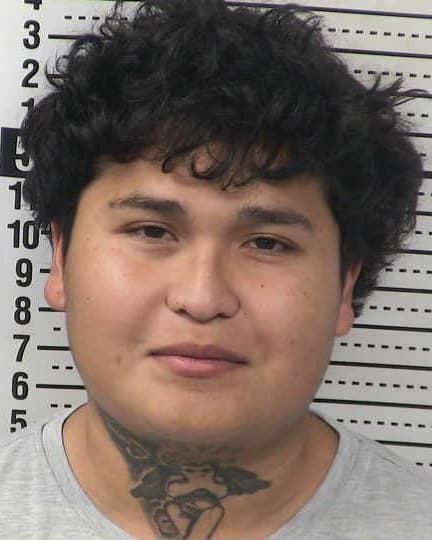
Las Cruces Man, 24, Booked on Shoplifting Charge at Local Retail Area
ASILAS CHACON | 1 charge
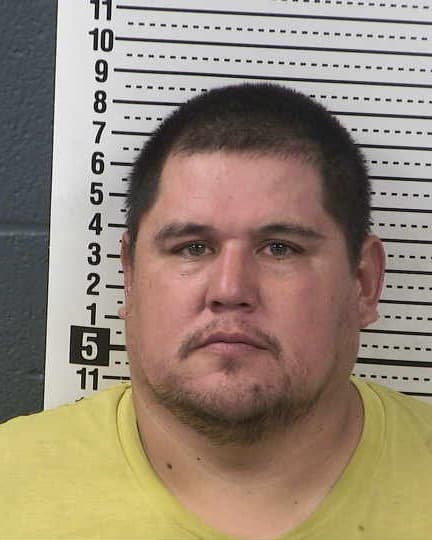
Las Cruces Man, 42, Booked on Shoplifting Charge at South Valley Location
ISAAC BELMAR | 1 charge

Mesilla Park Man, 31, Booked on Multiple Counts of Failure to Appear
ANTHONY SILVA | 6 charges

Las Cruces Man, 24, Booked on Aggravated Dwi and Resisting Charges
ALEX HERNANDEZ | 5 charges
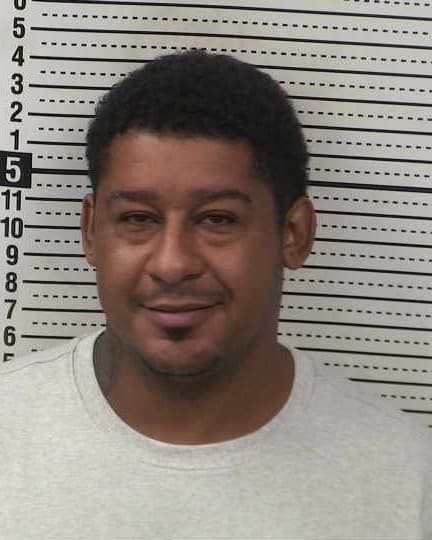
Las Cruces Man, 29, Booked on Shoplifting Charge at El Paseo Road Location
D'ANGELO OLIVIERO | 1 charge

El Paso Man, 48, Booked on Shoplifting Charge in Chaparral
FERNANDO PENA PUERTO | 1 charge
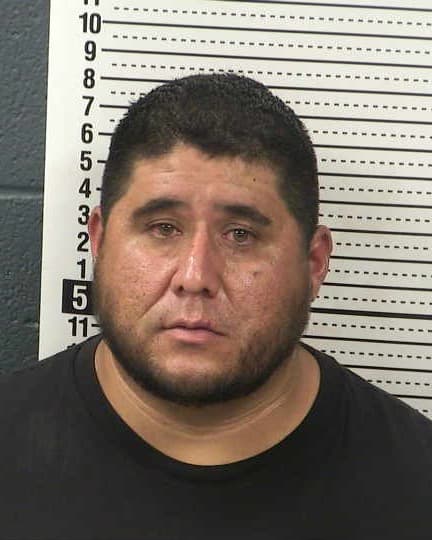
Las Cruces Man, 39, Booked on Shoplifting Charge at Valley Drive Location
RICARDO QUINTANA-PEREZ | 1 charge

Las Cruces Woman, 42, Booked on Shoplifting and Failure to Appear Charges
GUADALUPE MONARREZ | 2 charges

Las Cruces Man, 26, Booked on Shoplifting and Failure to Appear Charges
KYLE NICHOLS | 2 charges

Las Cruces Man, 44, Booked on Shoplifting and Trespass Charges
RICHARD SANCHEZ | 11 charges

Las Cruces Man, 38, Booked on Felony Battery on a Peace Officer Charge
REUBEN SANCHEZ | 5 charges

Las Cruces Man, 31, Booked on Shoplifting Charge at Local Intersection
CARLOS ESCOBEDO | 3 charges

Las Cruces Man, 41, Booked on Shoplifting Charge at Doña Ana Facility
PATRICK TORRES | 1 charge

Las Cruces Woman, 31, Booked on Shoplifting and Concealing Identity Charges
KAYLEE SCOUGHTON | 7 charges

Las Cruces Man, 30, Charged with Shoplifting $100 to $500
DEVIN SAUCEDO | 2 charges

Las Cruces Man, 41, Charged with Criminal Trespass
PATRICK TORRES | 2 charges

Las Cruces Man, 26, Charged with Possession of Controlled Substance
STEPHANO TENA LANDON | 3 charges

Las Cruces Woman, 62, Charged with Shoplifting $100 to $500
LETICIA SERNA | 1 charge

Las Cruces Man, 34, Charged with Criminal Trespass
RUBEN RINCON | 3 charges
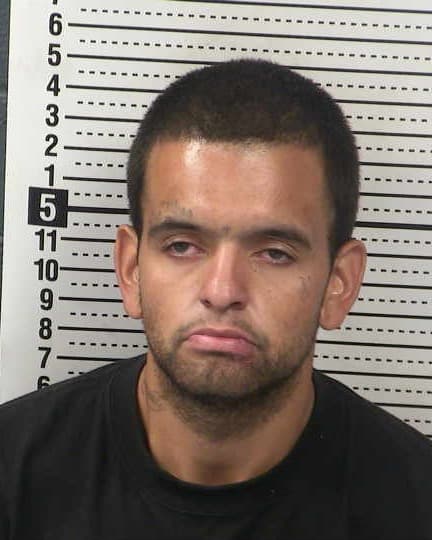
Las Cruces Man, 26, Booked on Narcotics Trafficking and Multiple Warrants
ALBERTO SANDOVAL | 6 charges

Las Cruces Man, 68, Charged with Concealing Identity
GREGORY HUPPERT | 2 charges

Las Cruces Man, 43, Charged with Criminal Trespass
EDUARDO VERSAILLES | 2 charges

Viviana Ramos, 20, Booked in Dona Ana County on Battery, Shoplifting Charges
VIVIANA RAMOS | 2 charges

Las Cruces Man, 34, Faces Breaking and Entering and Multiple Felony Charges
RUBEN RINCON | 8 charges

Las Cruces Man, 47, Jailed on Shoplifting Charge and Felony Warrants
ANTHONY BACA | 3 charges
Information provided for general reference. Statutory text is summarized and may not reflect the most recent amendments. All persons listed are presumed innocent until proven guilty.