
Dealing/Credit Card Of Another
Legal Definition
A person commits this offense when they use, sell, or transfer a credit card or credit card number belonging to another person without the cardholder's consent, or when they obtain property, services, or money through such unauthorized use. The statute encompasses both the fraudulent dealing in another's credit card and the unauthorized use of credit card information to obtain anything of value.
Possible Punishment
Basic sentence of 18 months imprisonment; fine up to $5,000. A mandatory period of parole follows release. The penalty applies regardless of the value obtained, as New Mexico treats credit card fraud as a distinct offense separate from general theft classifications.
Local Context
This charge covers a range of conduct including physically possessing and using another's card, using stolen card numbers for online or telephone purchases, and selling or transferring credit card information. It is distinct from credit card theft (taking the physical card) and from fraudulent use of one's own card. Multiple unauthorized transactions may be charged separately or aggregated depending on the scheme.
Property-Crime Cases in Doña Ana County
Property charges in New Mexico scale with dollar value and circumstances. The same shoplifting conduct can be a petty misdemeanor or a felony depending on the value of what was taken, and burglary escalates sharply when the structure is a home or someone is inside. That is why our charge database lists several versions of larceny and burglary with different classifications.
Property cases also drive a large share of repeat bookings: failure to appear on an older larceny case frequently brings someone back into the detention center on a bench warrant alongside any new charge.
Related Guides
Misdemeanor vs. Felony in New Mexico: Sentences, Courts, and Consequences
How New Mexico separates petty misdemeanors, misdemeanors, and felony degrees: sentence ranges, jail vs. prison, habitual enhancements, and collateral costs.
Bench Warrants and Failure to Appear in New Mexico: How a Missed Court Date Becomes a Booking
What a bench warrant is, how it differs from an arrest warrant, why FTA bookings fill the Doña Ana County jail log, and how to clear a warrant before arrest.
Recent Arrests for This Charge (1)
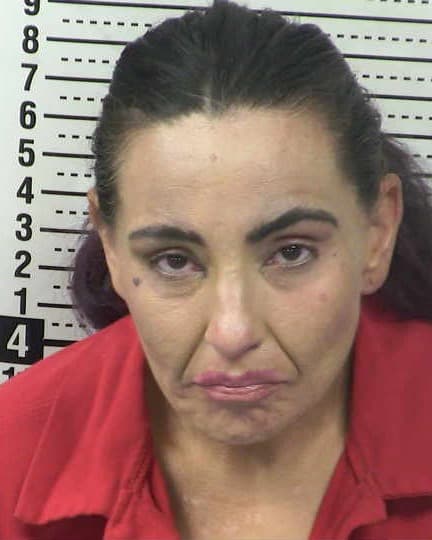
Information provided for general reference. Statutory text is summarized and may not reflect the most recent amendments. All persons listed are presumed innocent until proven guilty.