
Interference W/Communication
Legal Definition
A person commits interference with communications when they intentionally prevent, obstruct, or interfere with another person's attempt to place an emergency call or to seek emergency assistance. This includes taking, concealing, or disabling a telephone or other communication device with the intent to prevent someone from summoning police, medical, or other emergency aid. The offense is designed to protect the ability to reach emergency services during crises.
Possible Punishment
Up to 364 days in county jail and a fine up to $1,000. Courts may impose conditions of release or probation that include protective orders or no-contact provisions, particularly in domestic-violence contexts where this charge commonly arises.
Local Context
This offense frequently accompanies domestic battery or other household disturbance charges. It applies regardless of whether the emergency call was completed, so long as the defendant intentionally interfered with the attempt. The statute protects access to any communication device used or intended to summon emergency help.
Public-Order Cases in Doña Ana County
Disorderly conduct, resisting or obstructing an officer, and giving false identification are classic add-on charges: they frequently ride along with something else in a booking rather than standing alone. Most are petty misdemeanors, the lowest tier of New Mexico offenses, with maximum exposure measured in months rather than years.
Because these charges often arise from chaotic street encounters, how a person behaves during the arrest matters enormously. Resisting is a separate crime even when the underlying stop goes nowhere, which is why knowing your rights, and asserting them calmly, is the practical advice every attorney gives.
Related Guides
Your Rights When Arrested in New Mexico: Silence, Searches, and Counsel
What Miranda actually requires, when you must identify yourself, search consent rules, and why you should never resist arrest or talk on recorded jail calls.
Misdemeanor vs. Felony in New Mexico: Sentences, Courts, and Consequences
How New Mexico separates petty misdemeanors, misdemeanors, and felony degrees: sentence ranges, jail vs. prison, habitual enhancements, and collateral costs.
Recent Arrests for This Charge (30)

Hatch Man, 47, Booked on Multiple Battery Against a Household Member Charges
JUAN REYNA HERNANDEZ | 2 charges

Sunland Park Man, 29, Booked on Kidnapping and Aggravated Battery Charges
CARLOS SALAS | 9 charges
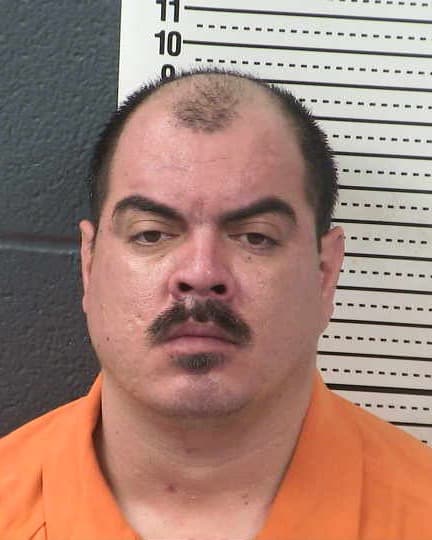
Las Cruces Man, 41, Faces Felony Charges Including False Imprisonment
ADAN QUINTERO | 6 charges

Sunland Park Man, 28, Booked on Felony Battery and Interference Charges
PEDRO DE LEON | 4 charges
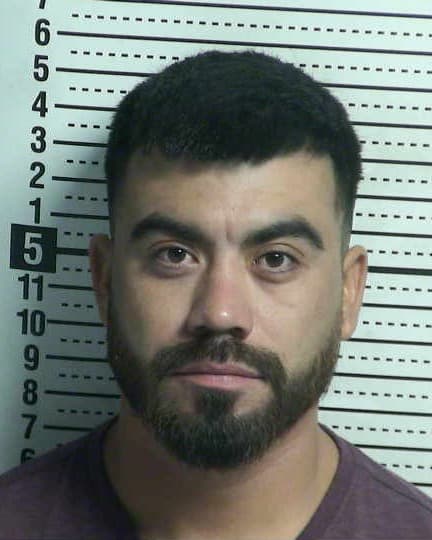
Las Cruces Man, 32, Booked on Battery and Interference Charges
LUIS ESCOBEDO | 5 charges

Las Cruces Man, 21, Booked on Felony False Imprisonment and Battery Charges
JOSHUA CISNEROS | 5 charges

Las Cruces Man, 44, Faces Battery and Multiple Failure to Appear Charges
ROY RUIZ | 15 charges

El Paso Woman, 21, Booked on Robbery and Interference with Communication Charges
JENNIFER RIOS | 2 charges

Vado Man, 39, Booked on Domestic Battery and Assault Charges
JAVIER RAMIREZ | 3 charges

Las Cruces Man, 45, Booked on Domestic Battery and Aggravated Dwi Charges
JOSEPH SANDOVAL | 5 charges

Hatch Man, 35, Booked on Aggravated Battery and Household Member Battery Charges
VICENTE MORA | 5 charges

El Paso Man, 32, Booked on Misdemeanor Domestic Battery Charge
JESUS NAVARRO | 2 charges

El Paso Man, 22, Booked in Doña Ana County on Domestic Violence Charges
PEDRO SOTELO | 2 charges

Las Cruces Man, 24, Booked on Felony Aggravated Battery and False Imprisonment
ROMERO SERENA | 4 charges

Las Cruces Man, 33, Booked on Domestic Battery and Interference Charges
TYRRICK MULDROW | 2 charges
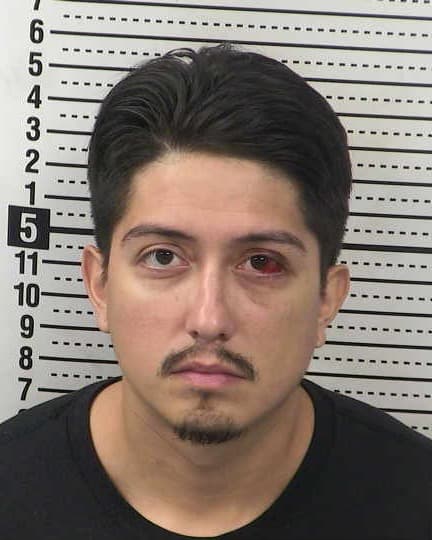
Sunland Park Man, 30, Booked on Battery Against a Household Member Charge
ANGEL SANCHEZ | 3 charges

Las Cruces Man, 30, Faces Kidnapping and Aggravated Assault Charges
JESUS MORENO | 8 charges

Las Cruces Man, 43, Booked on Aggravated Assault and Battery Charges
JESSIE PENA | 4 charges

Rincon Man, 39, Booked on Suspicion of Battery Against a Household Member
MANUEL DESSENS | 2 charges
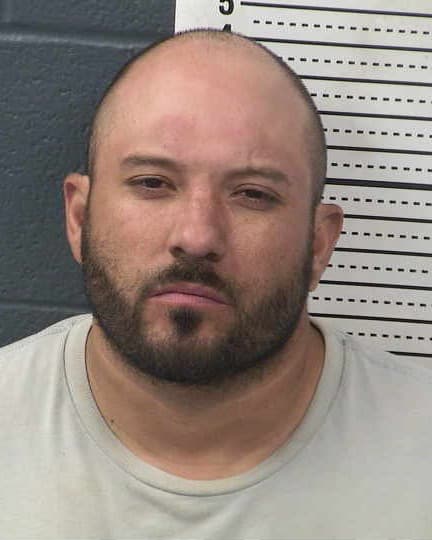
Anthony Man, 36, Booked on Felony Drug and Domestic Battery Charges
AUGUSTINE AGUIRRE | 3 charges
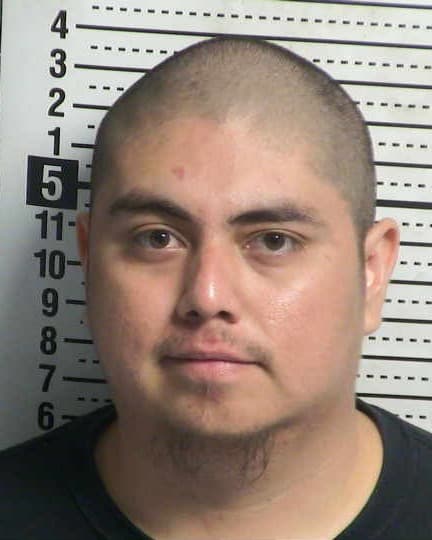
Richard Martinez, 24, Booked on Felony False Imprisonment and Battery Charges
RICHARD MARTINEZ | 4 charges

Las Cruces Man, 37, Booked on Misdemeanor Interference with Communication Charge
JOSE RIVERA | 1 charge

Las Cruces Man, 24, Booked on Felony Battery and Interference Charges
PEDRO MORENO | 2 charges

Las Cruces Woman, 20, Booked on Battery and Interference Charges
ARACELY GRIJALVA-MOTZ | 3 charges

Man, 29, Charged with Agg. Battery Against Household Member Great Bodily Harm in Doña Ana County
EDUARDO PERPULI | 4 charges

Las Cruces Woman, 29, Charged with Aggravated Residential Burglary
DEMITRI HUCKABAY | 4 charges

El Paso Man, 19, Booked on Felony Child Abuse and Battery Charges
BRIAN PENA TREVINO | 9 charges

Jacob Fuentes, 19, Faces Sex Assault, Weapon Charges in Las Cruces Case
JACOB FUENTES | 5 charges
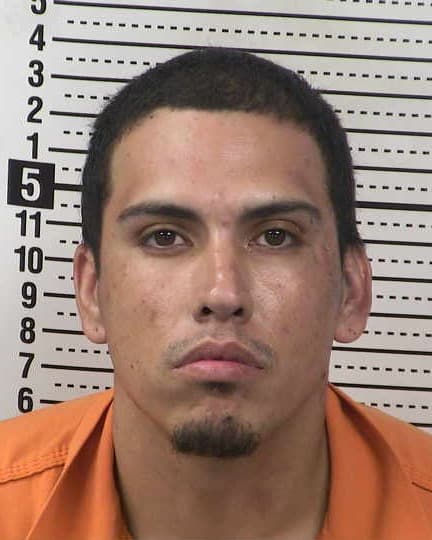
Las Cruces Man, 34, Booked on Kidnapping and Aggravated Battery Charges
ALEXANDER MADRID | 35 charges

Las Cruces Man, 41, Convicted of Federal Charge and Faces New Felony Counts
JEFFREY CRUICKSHANK | 22 charges
Information provided for general reference. Statutory text is summarized and may not reflect the most recent amendments. All persons listed are presumed innocent until proven guilty.