
Leaving The Scene
Legal Definition
A person commits leaving the scene of an accident when, as the driver of a vehicle involved in an accident resulting in injury to or death of any person or damage to any vehicle, the driver fails to stop at the scene, provide identification and insurance information, and render reasonable assistance to any injured person. The driver must remain at the scene or immediately return to it and comply with these duties.
Possible Punishment
If the accident resulted in great bodily harm or death, leaving the scene is a Fourth Degree Felony with a basic sentence of 18 months imprisonment and a fine up to $5,000. If the accident resulted in injury (not great bodily harm) or property damage only, it is a Misdemeanor with up to 364 days in county jail and a fine up to $1,000.
Local Context
Commonly known as 'hit and run.' The offense level depends on the severity of injury or damage caused by the accident. The driver's duty includes providing their name, address, vehicle registration number, and driver's license to any injured party or the owner of damaged property, and rendering reasonable aid such as arranging transportation to medical facilities if necessary.
Criminal Traffic Cases in Doña Ana County
Not every traffic offense is a ticket. Driving on a suspended or revoked license, reckless driving, and fleeing an officer are criminal charges that end in booking rather than a citation, and they appear constantly in our feed. Suspended-license charges in particular tend to snowball: unpaid fines lead to suspension, driving anyway leads to arrest, and missing the court date adds a bench warrant.
Criminal traffic cases are heard in Las Cruces Municipal Court for city violations and Doña Ana Magistrate Court for state charges. If alcohol or drugs are involved, the case moves into DWI territory with its own mandatory penalties.
Related Guides
Bench Warrants and Failure to Appear in New Mexico: How a Missed Court Date Becomes a Booking
What a bench warrant is, how it differs from an arrest warrant, why FTA bookings fill the Doña Ana County jail log, and how to clear a warrant before arrest.
DWI Arrests in New Mexico: Penalties, Aggravated DWI, and the MVD Clock
What a New Mexico DWI arrest means: legal limits, first-offense penalties, aggravated DWI, felony DWI, and the separate MVD license hearing deadline.
Recent Arrests for This Charge (27)
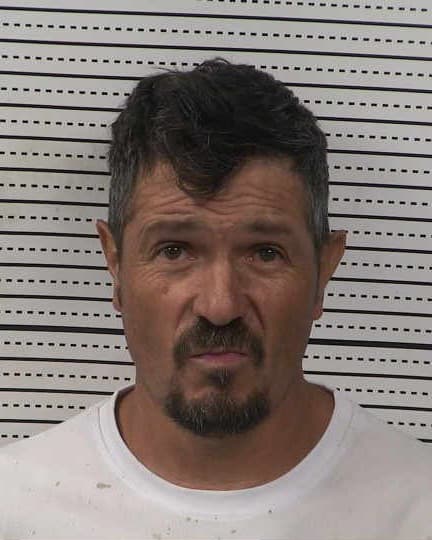
Mesilla Park Man, 49, Booked on Charges of Failure to Stop and Render Aid
NESTOR GUERRA GUERRA | 4 charges
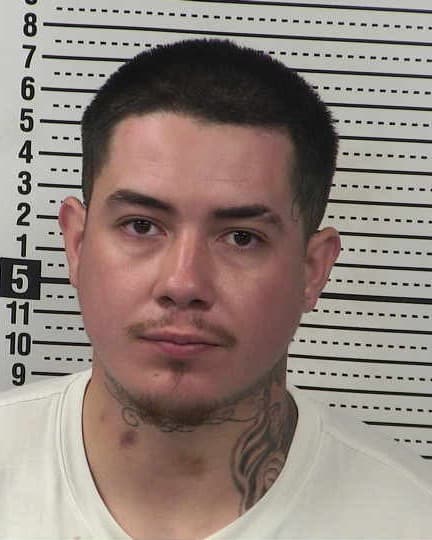
Sunland Park Man, 22, Booked on Felony Charges Including Aggravated Assault on an Officer
JOEL PEREZ PADILLA | 8 charges
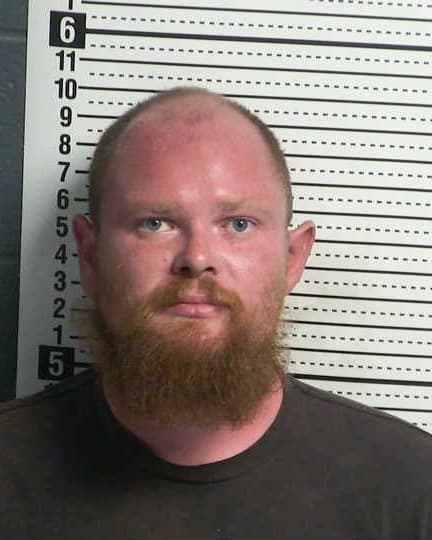
Las Cruces Man, 30, Booked on Charges of Leaving the Scene and False Reporting
JOSHUA EMBREY | 2 charges
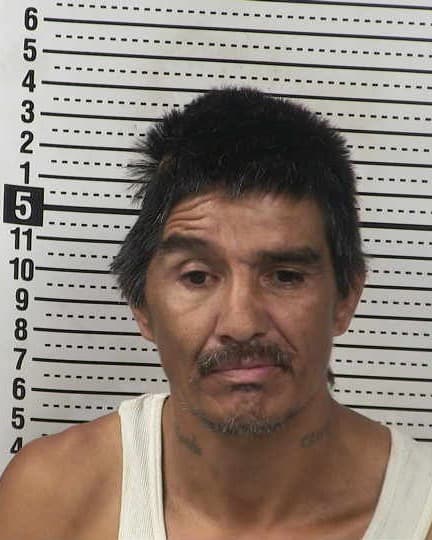
Las Cruces Man, 47, Booked on Charges of Leaving the Scene and Driving Violations
RICKY CLARK | 3 charges
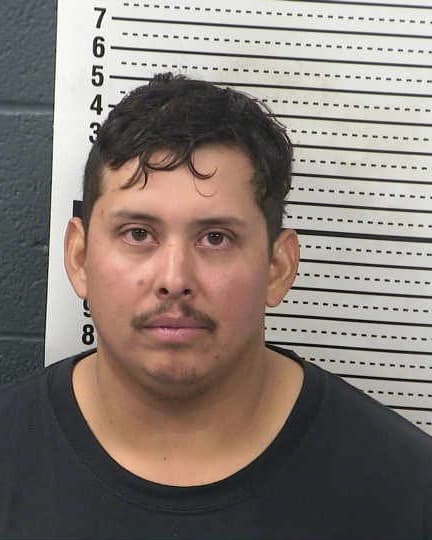
Las Cruces Man, 32, Booked on Aggravated Dwi and Leaving the Scene Charges
SALVADOR GALVAN | 4 charges
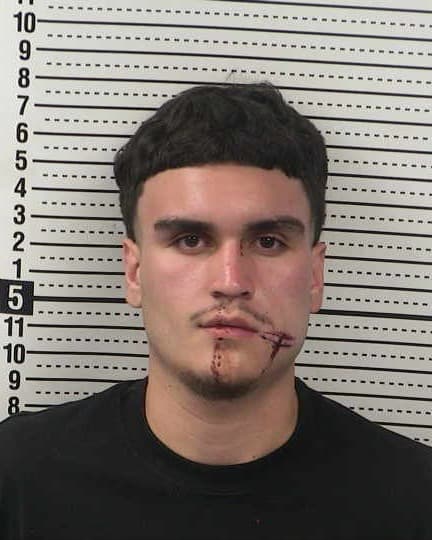
Mcintosh Man, 19, Booked on Felony Vehicle Theft Charge in Las Cruces
CARL TORRES | 3 charges
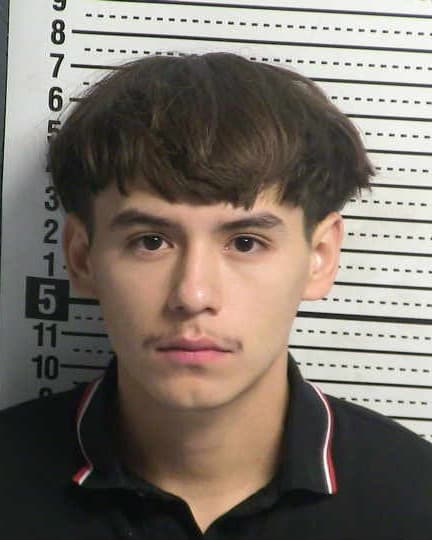
Las Cruces Man, 19, Booked on Felony False Imprisonment and Dwi Charges
ZAKARIAH PENA | 9 charges
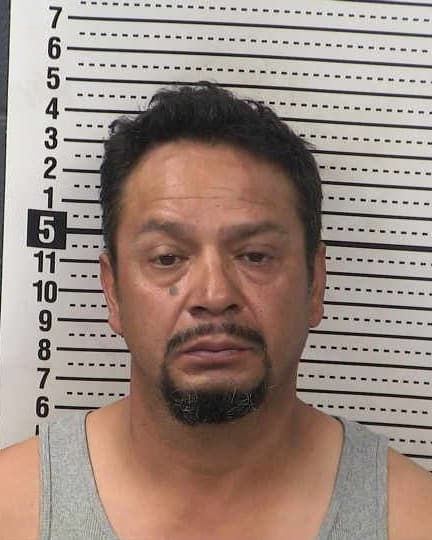
Las Cruces Man, 47, Booked on Multiple Hit-and-Run Related Charges
ALBERTH SALVADOR GARCIA | 3 charges
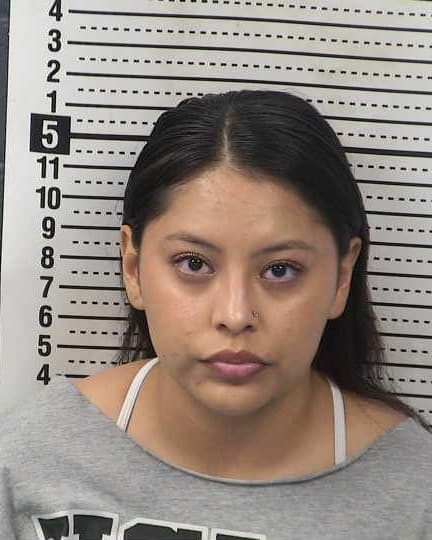
Culce Woman, 24, Booked on Felony Charge of Leaving the Scene
CHANCEY VICENTI | 2 charges
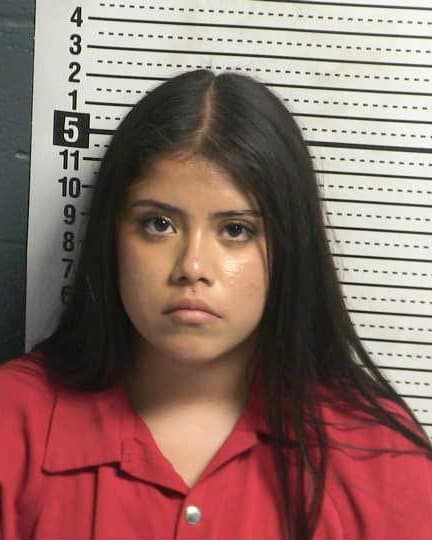
El Paso Woman, 18, Booked on Charges of Leaving the Scene and Failure to Render Aid
OLIVIA MACIAS PADILLA | 2 charges
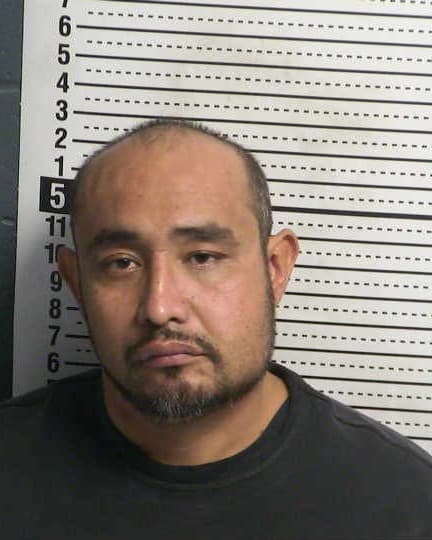
Hatch Man, 38, Booked on Felony Robbery and Probation Violation Charges
JUAN ESCOBEDO | 5 charges
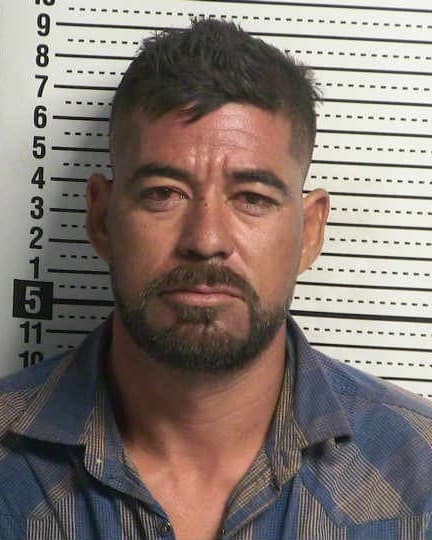
El Paso Man, 34, Booked in Doña Ana County on Aggravated Dwi Charge
NOLBERTO TORRES | 5 charges
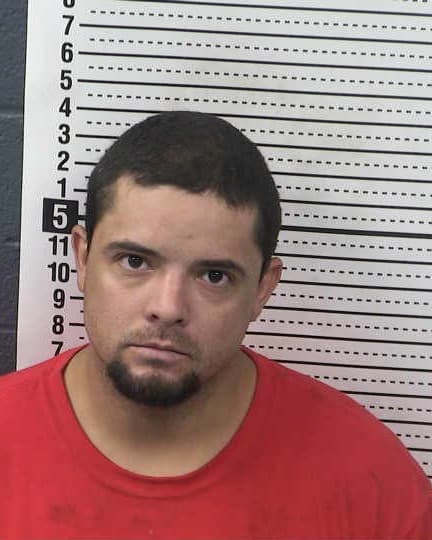
Las Cruces Man, 33, Booked on Felony Failure to Appear and Traffic Charges
MATTHEW MUNOZ | 10 charges
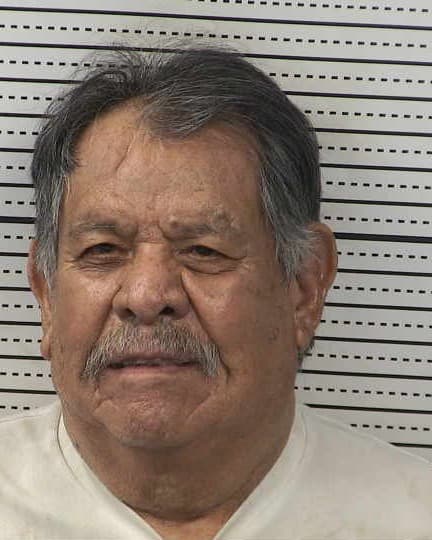
Sunland Park Man, 78, Booked on Charges of Leaving the Scene of an Accident
ROGELIO CARRASCO | 3 charges
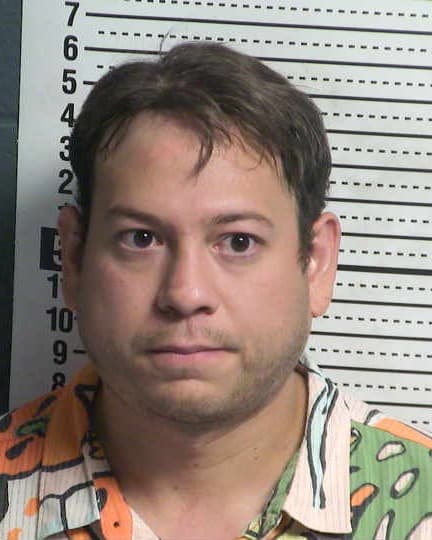
El Paso Man, 32, Booked on Aggravated Dwi and Hit-and-Run Charges
MAURICIO CASTILLO | 6 charges
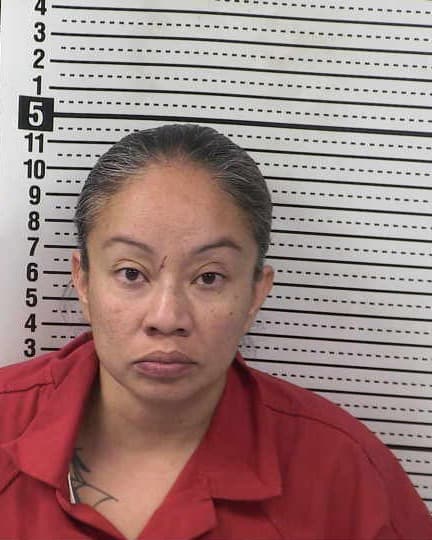
Canutillo Woman, 37, Booked on Aggravated Dwi and Multiple Hit-and-Run Charges
ELIZABETH HINOJOS | 10 charges
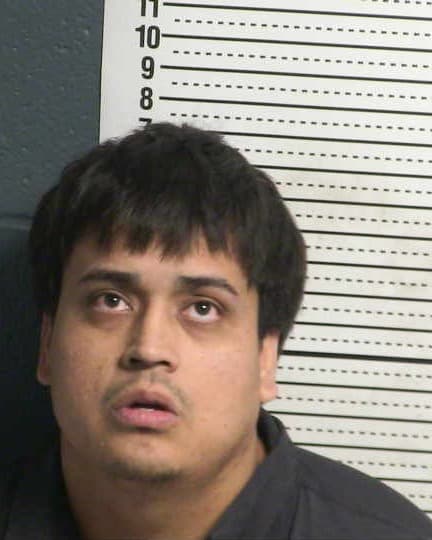
Sunland Park Man, 30, Booked on Charges of Leaving the Scene and Resisting
EDUARDO FERNANDEZ | 3 charges
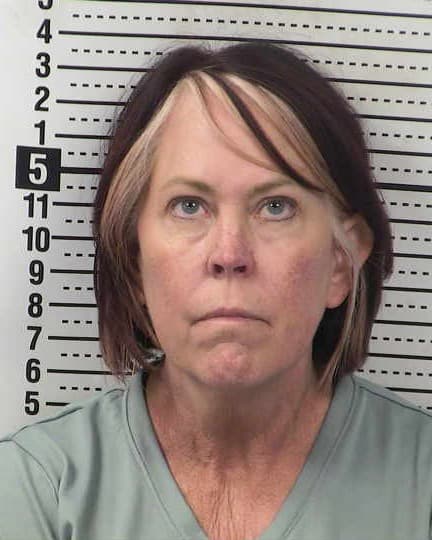
Las Cruces Woman, 54, Booked on Felony Charges of Leaving the Scene and Tampering
KIMBERLY SKAGGS | 2 charges
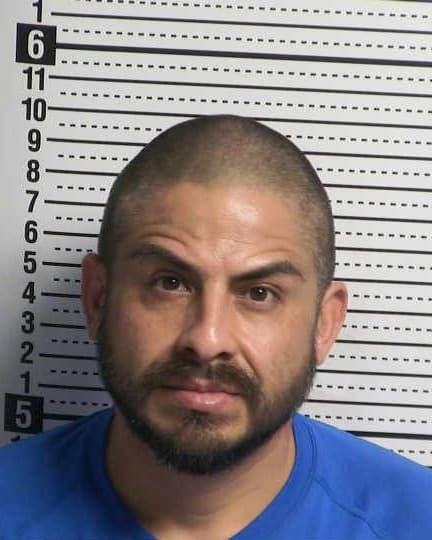
Mesilla Park Man, 42, Booked on Battery and Leaving the Scene Charges
ISAAC BENAVIDEZ | 2 charges
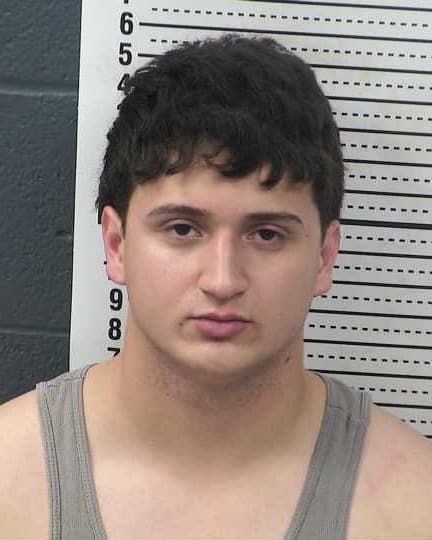
Las Cruces Man, 18, Booked on Dwi and Leaving the Scene Charges
RONNY RENTERIA RICO | 4 charges
Las Cruces Man, 22, Charged with Due Care-Speed
JAVEN GONZALEZ | 2 charges
Las Cruces Man, 19, Charged with No Registration / Expired Plate
DOMINIC PETTES | 7 charges
Las Cruces Man, 19, Charged with Immediate Notice of Accident
ANDRES SANCHEZ | 4 charges
La Mesa Man, 18, Charged with Leaving the Scene
SERGIO QUINTANA | 3 charges
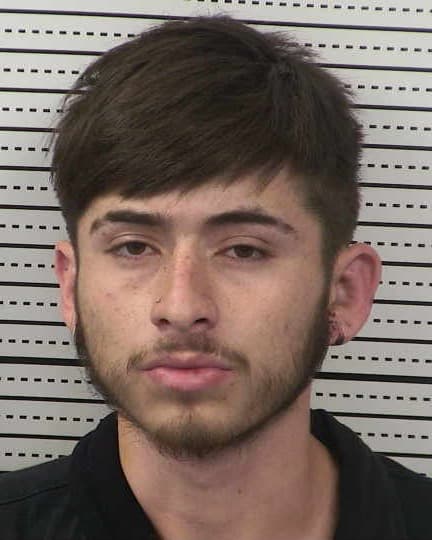
Sunland Park Man, 19, Booked on Child Abuse and Motor Vehicle Charges
OSCAR SOSA | 4 charges
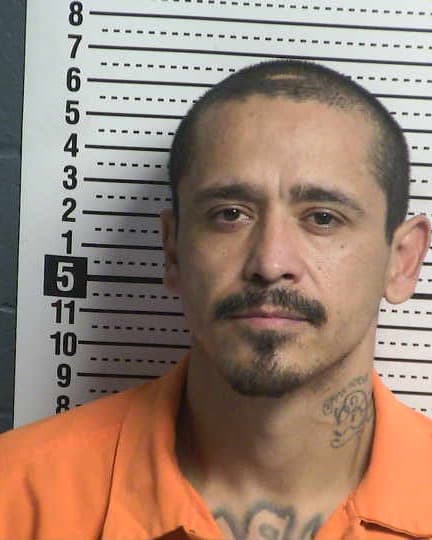
Victor Pinedo, 39, of Las Cruces, Booked in Bernalillo After Alleged Chase
VICTOR PINEDO | 8 charges
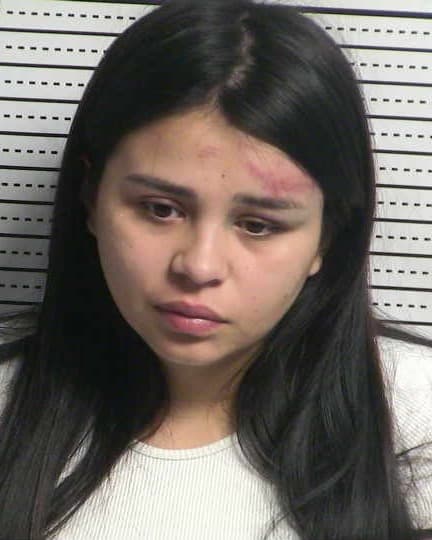
Las Cruces Woman, 23, Booked on Aggravated Dwi, Battery on Officer, Probation Violation
YVONNE ROMERO | 7 charges
Information provided for general reference. Statutory text is summarized and may not reflect the most recent amendments. All persons listed are presumed innocent until proven guilty.