
Due Care-Speed
Legal Definition
A person commits this offense by driving at a speed greater than is reasonable and prudent under the conditions and having regard to the actual and potential hazards then existing. The statute requires drivers to control their speed to avoid colliding with any person, vehicle, or other conveyance on or entering the highway, in compliance with legal requirements and the duty of all persons to use due care.
Possible Punishment
This is a civil traffic violation subject to a penalty assessment. Fines and assessments vary by jurisdiction and circumstances, typically ranging from approximately $30 to $100 plus court costs and surcharges. No jail time is imposed for a civil traffic violation, though accumulation of points may result in license suspension under separate administrative proceedings.
Local Context
This is the basic speed law in New Mexico, distinct from exceeding a posted speed limit. It applies even when a driver is traveling below the posted limit if conditions (weather, traffic, visibility, road surface) require a slower speed. The offense focuses on the failure to exercise due care by driving too fast for conditions rather than a fixed numerical speed violation.
Criminal Traffic Cases in Doña Ana County
Not every traffic offense is a ticket. Driving on a suspended or revoked license, reckless driving, and fleeing an officer are criminal charges that end in booking rather than a citation, and they appear constantly in our feed. Suspended-license charges in particular tend to snowball: unpaid fines lead to suspension, driving anyway leads to arrest, and missing the court date adds a bench warrant.
Criminal traffic cases are heard in Las Cruces Municipal Court for city violations and Doña Ana Magistrate Court for state charges. If alcohol or drugs are involved, the case moves into DWI territory with its own mandatory penalties.
Related Guides
Bench Warrants and Failure to Appear in New Mexico: How a Missed Court Date Becomes a Booking
What a bench warrant is, how it differs from an arrest warrant, why FTA bookings fill the Doña Ana County jail log, and how to clear a warrant before arrest.
DWI Arrests in New Mexico: Penalties, Aggravated DWI, and the MVD Clock
What a New Mexico DWI arrest means: legal limits, first-offense penalties, aggravated DWI, felony DWI, and the separate MVD license hearing deadline.
Recent Arrests for This Charge (7)

Mesilla Park Man, 49, Booked on Charges of Failure to Stop and Render Aid
NESTOR GUERRA GUERRA | 4 charges

Vado Man, 29, Booked on Aggravated Dwi and Speeding Charges
ANGEL OLVERA | 2 charges
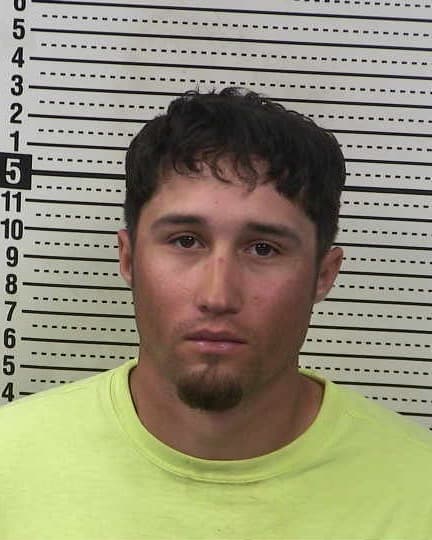
Las Cruces Man, 22, Charged with Due Care-Speed
JAVEN GONZALEZ | 2 charges
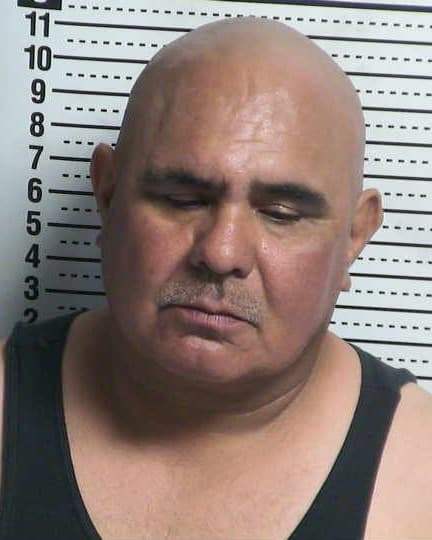
Fairacres Man, 53, Booked on Felony Aggravated Dwi and Traffic Charges
MARCO ANCHONDO GARCIA | 4 charges
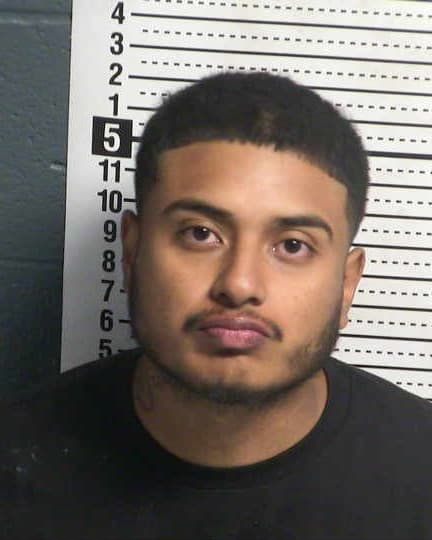
Las Cruces Man, 20, Charged with Due Care-Speed
BRIAN MORALES | 4 charges

Las Cruces Woman, 41, Faces Dwi, Fugitive Warrant, Probation Violation
DALILA TORRES | 5 charges

Las Cruces Man, 30, Booked on Felony Probation Violation, Dwi Allegation
AUSTIN WILCHER | 4 charges
Information provided for general reference. Statutory text is summarized and may not reflect the most recent amendments. All persons listed are presumed innocent until proven guilty.