
Agg. Assault Against A Household Member (Deadly Weapon)
Legal Definition
A person commits aggravated assault against a household member when they threaten or attempt to batter a household member and use or display a deadly weapon in the course of the assault. A household member includes a spouse, former spouse, parent, present or former stepparent, present or former parent-in-law, grandparent, grandparent-in-law, child, stepchild, grandchild, co-parent of a child, or person with whom the offender has had a continuing personal relationship. The use or display of a deadly weapon elevates the offense from simple assault.
Possible Punishment
Basic sentence of 18 months imprisonment; fine up to $5,000. A mandatory period of parole follows release. New Mexico law may impose additional conditions such as batterer intervention programs and no-contact orders in domestic violence cases.
Local Context
This offense is distinct from aggravated battery against a household member (§ 30-3-16), which requires actual infliction of injury. The deadly-weapon element distinguishes this fourth-degree felony from misdemeanor assault against a household member. Convictions carry collateral consequences including firearm prohibitions under federal law.
Violent-Crime Cases in Doña Ana County
Violent charges are where New Mexico's pretrial system shows its teeth. For serious felony cases (aggravated battery, armed robbery, homicide), the District Attorney frequently files a pretrial detention motion asking the Third Judicial District Court to hold the defendant with no possibility of release. That is why some people in our booking feed are released within a day while others charged under the same statute stay in custody until trial.
Many bookings in this category involve household members, which triggers additional consequences: no-contact release conditions, orders of protection, and, after a qualifying conviction, a federal firearm prohibition. Charges listed at booking are the arresting officer's charges; the DA decides what is actually filed, and amendments are common in violent-crime cases as evidence develops.
Related Guides
Domestic Violence Charges in New Mexico: Household Members, No-Contact Orders, and Why Victims Can't Drop Charges
How battery against a household member works in New Mexico: misdemeanor vs. felony versions, no-contact release conditions, protection orders, and firearm consequences.
Bail in New Mexico: Why There Is (Mostly) No Cash Bail Anymore
New Mexico voters ended most cash bail in 2016. How pretrial release, bond conditions, and no-bail detention actually work in Doña Ana County courts.
Misdemeanor vs. Felony in New Mexico: Sentences, Courts, and Consequences
How New Mexico separates petty misdemeanors, misdemeanors, and felony degrees: sentence ranges, jail vs. prison, habitual enhancements, and collateral costs.
Recent Arrests for This Charge (20)

Las Cruces Woman, 39, Booked on Kidnapping and Armed Robbery Charges
RENEE NICHOLAS | 6 charges

Las Cruces Woman, 24, Booked on Kidnapping and Child Abuse Charges
ANISSA VIGIL | 15 charges

Las Cruces Man, 51, Booked on Felony Aggravated Battery and Assault Charges
PABLO HERNANDEZ VALENCIA | 4 charges

Las Cruces Man, 30, Faces Kidnapping and Aggravated Assault Charges
JESUS MORENO | 8 charges

Las Cruces Man, 52, Booked on Suspicion of Aggravated Assault with a Deadly Weapon
FEDERICO ROMERO | 1 charge

Las Cruces Man, 43, Booked on Aggravated Assault and Battery Charges
JESSIE PENA | 4 charges
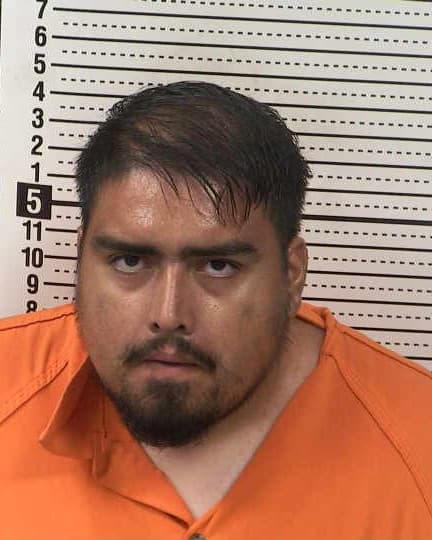
Sunland Park Man, 24, Booked on Felony Counts of Aggravated Household Assault
LOGAN GARCIA | 2 charges

Las Cruces Man, 25, Charged with Agg. Battery Against Household Member Great Bodily Harm
ANASTACIO ARMIENTA | 4 charges

Las Cruces Man, 37, Convicted of Battery Following Apodaca Park Stabbing
PASCUAL DIAZ | 2 charges

Las Cruces Man, 40, Booked on Aggravated Assault and Child Abuse Charges
DONOVAN HOLGUIN | 4 charges

Las Cruces Man, 29, Charged with Abuse of a Child
JOSE GARCIA | 9 charges

Las Cruces Man, 45, Charged with Agg. Battery Against Household Member Great Bodily Harm
ISMAEL RODRIGUEZ | 6 charges

Las Cruces Man, 24, Booked on Felony Burglary and Assault Charges
TERRANCE BAKER | 4 charges

Las Cruces Man, 45, Charged with Breaking and Entering
MOSES CHAVARRIA | 7 charges

Sunland Park Woman, 46, Charged with Criminal Damage to Property <$1000 H.H. Member
GINA MARQUEZ | 5 charges
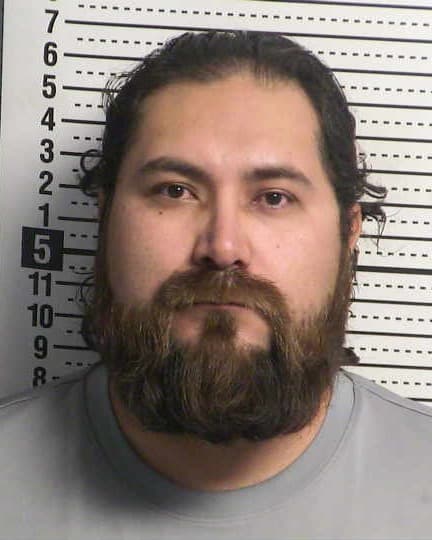
La Mesa Man, 32, Booked on Nine Felony Counts Including Child Abuse and Assault
MIGUEL MEDELLIN | 9 charges

Las Cruces Man, 44, Booked on Multiple Counts of Aggravated Assault and Child Abuse
ALI AL-ABYAD | 7 charges

Las Cruces Man, 52, Booked on Domestic Violence and Assault Charges
CHRIS APODACA | 4 charges

Jacob Fuentes, 19, Faces Sex Assault, Weapon Charges in Las Cruces Case
JACOB FUENTES | 5 charges
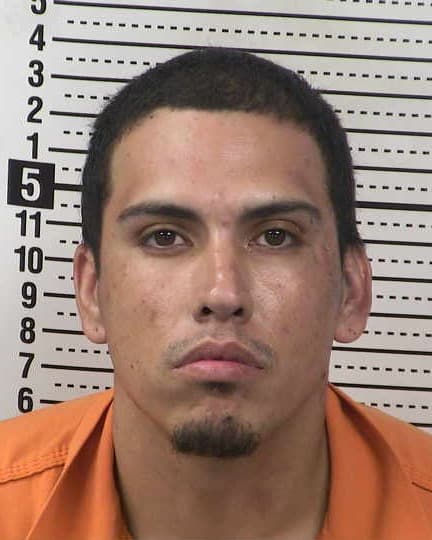
Las Cruces Man, 34, Booked on Kidnapping and Aggravated Battery Charges
ALEXANDER MADRID | 35 charges
Information provided for general reference. Statutory text is summarized and may not reflect the most recent amendments. All persons listed are presumed innocent until proven guilty.