
Parole Violation
Legal Definition
A person commits a parole violation when, having been released from imprisonment on parole, they fail to comply with the conditions of parole imposed by the Parole Board or engage in conduct that violates the terms of their supervised release. Violations may include committing a new criminal offense, failing to report to a parole officer, absconding from supervision, or breaching other mandatory conditions such as substance-abuse treatment or residence requirements. The Parole Board may revoke parole and return the individual to custody to serve all or part of the remaining sentence.
Possible Punishment
Parole revocation does not carry a separate sentence. Upon revocation, the individual is returned to prison to serve the remainder of the original sentence that was suspended by parole. The Parole Board determines how much of the remaining term must be served. Time spent on parole does not reduce the underlying sentence unless the individual successfully completes parole. A new criminal offense committed while on parole is charged and sentenced separately.
Local Context
Parole violation is a status-based administrative matter, not a standalone criminal offense under the New Mexico Criminal Code. It triggers a revocation hearing before the Parole Board under § 31-21-15 NMSA. If the parolee is alleged to have committed a new crime, that offense is prosecuted separately. Parole is governed by the Adult Parole Board under the Parole Board Act (§§ 31-21-1 to 31-21-17 NMSA).
Holds, Warrants, and Procedural Bookings
Not everything in a jail roster is a fresh local crime. This category covers procedural bookings: fugitive-from-justice holds for other states, probation and parole violations, courtesy holds for other agencies, and catch-all offense codes. The person may face no new Doña Ana County charge at all.
Failure-to-appear and bench-warrant bookings are the most common procedural entries in our data. They resolve through the court that issued the warrant, which is why the fastest path out usually runs through a motion to quash rather than anything that happens at the jail.
Related Guides
Bench Warrants and Failure to Appear in New Mexico: How a Missed Court Date Becomes a Booking
What a bench warrant is, how it differs from an arrest warrant, why FTA bookings fill the Doña Ana County jail log, and how to clear a warrant before arrest.
Jail vs. Prison in New Mexico: Why Everyone in Our Booking Feed Is in Jail
County jail and state prison are different systems. Who goes where in New Mexico, how sentencing decides it, and what a booking record actually means.
Recent Arrests for This Charge (25)
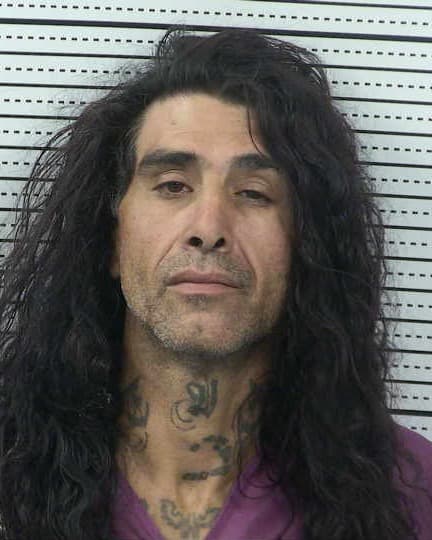
Las Cruces Man, 45, Booked on Felony Probation Violation Charge
JOSHUA SANCHEZ | 2 charges
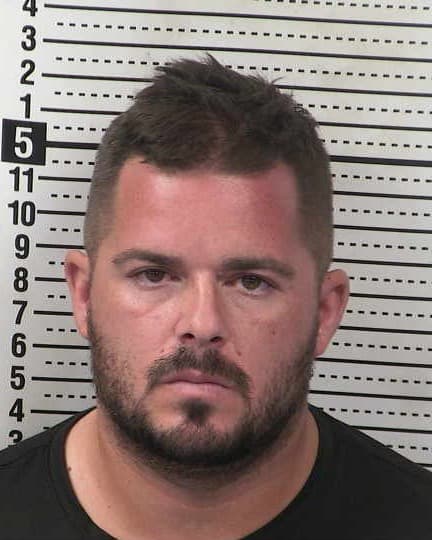
Albuquerque Man, 32, Booked in Doña Ana County on Parole Violation Charge
CHAD DEIGNAN | 1 charge
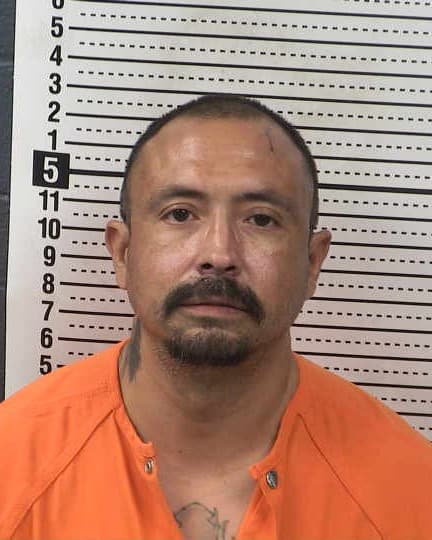
Las Cruces Man, 41, Booked at Doña Ana County Detention Center for Parole Violation
JOSEPH GONZALES | 1 charge
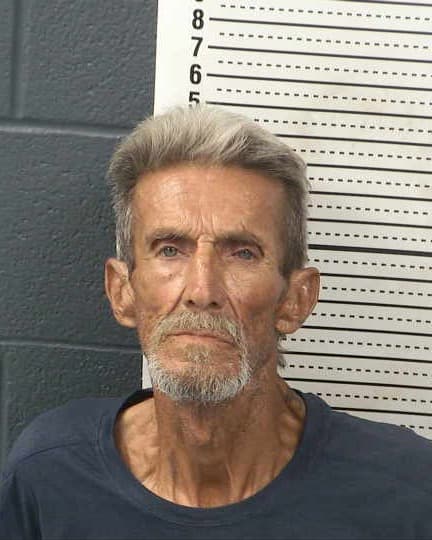
Las Cruces Man, 68, Booked on Drug Possession and Supervision Violations
RICARDO RIVERA | 3 charges
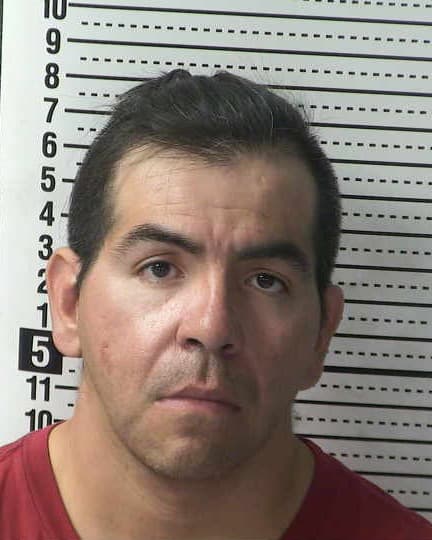
Las Cruces Man, 36, Booked on Felony Parole Violation Charge
PETER LUCERO | 1 charge

Las Cruces Man, 26, Booked on Two Counts of Battery Against a Household Member
SABINO PAEZ | 5 charges
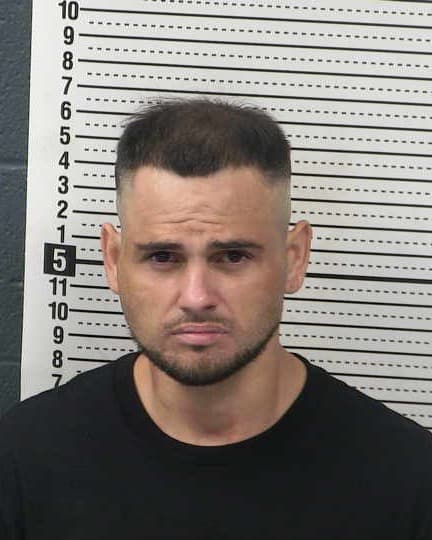
Bayard Man, 32, Booked on Felony Warrant in Doña Ana County
CHRISTIAN CASTANEDA | 2 charges
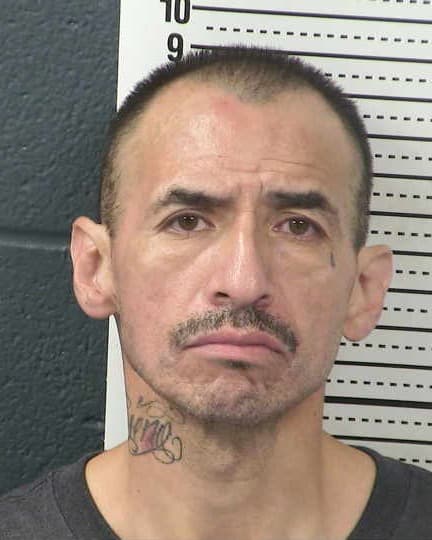
Albuquerque Man, 49, Booked on Multiple Probation and Parole Violations
DOMINIC GONZALES | 7 charges
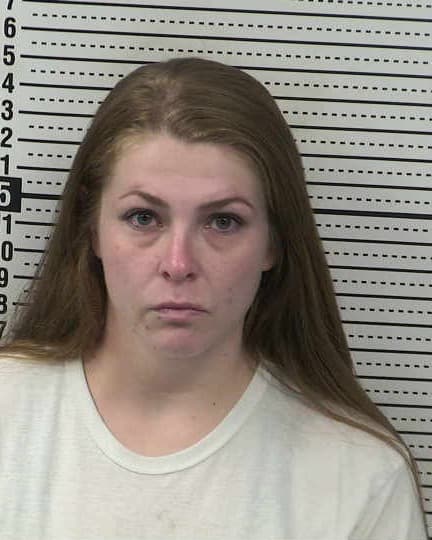
Las Cruces Woman, 28, Booked on Felony Probation Violation Charge
SHELBY KEDING | 1 charge
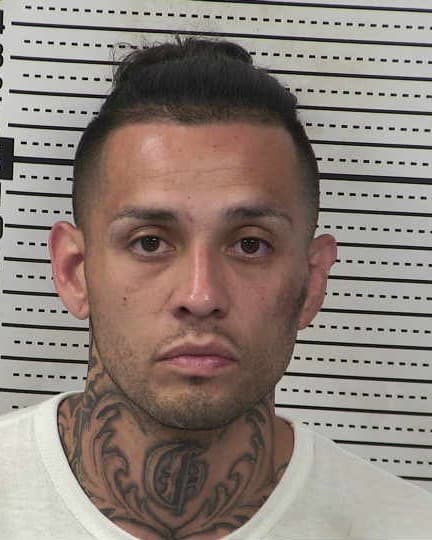
Las Cruces Man, 31, Booked on Felony Parole Violation Charge
JOSHUA HOLGUIN | 1 charge
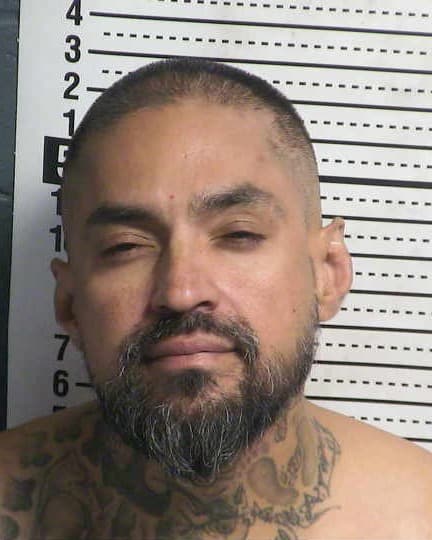
Las Cruces Man, 43, Booked on Aggravated Dwi and Probation Violation Charges
ANGEL LOPEZ | 5 charges

Las Cruces Man, 28, Booked on Aggravated Battery and Evidence Tampering Charges
EDUARDO ROSELL | 4 charges

Las Cruces Man, 27, Booked on Parole Violation and Criminal Trespass Charges
JOAQUIN SOLIS | 8 charges
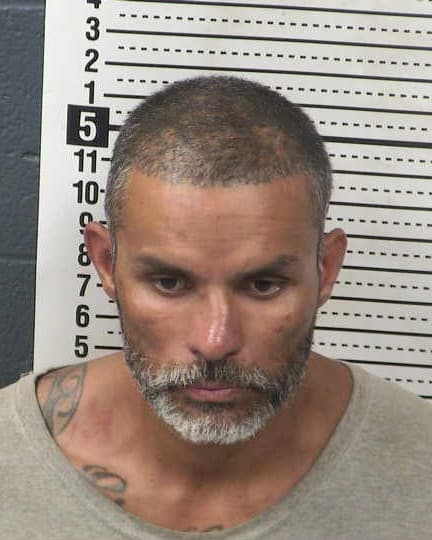
Las Cruces Man, 40, Sentenced for Drug Possession and Parole Violation
JEFFREY VARELA | 1 charge
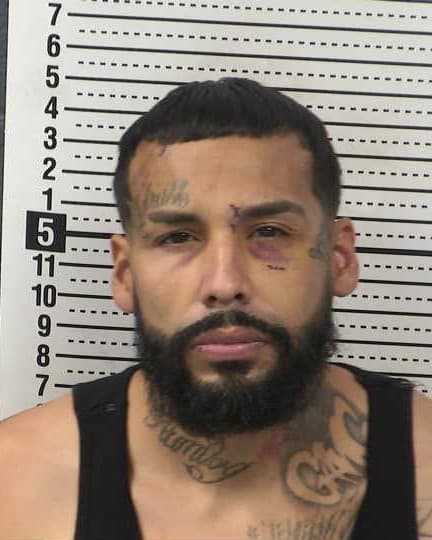
Las Cruces Man, 39, Faces Felony Assault and Firearm Possession Charges
CARLOS LOPEZ | 6 charges
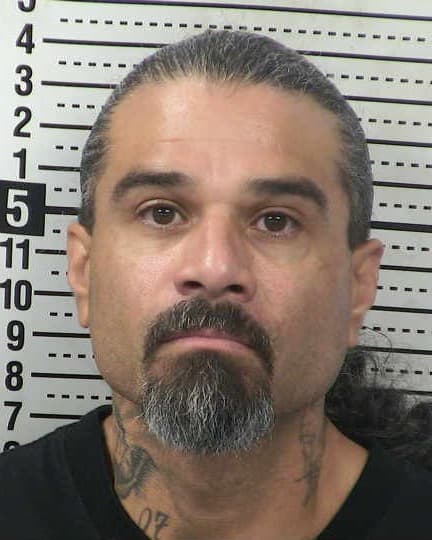
Chaparral Man, 44, Booked on Felony Parole and Probation Violations
GILBERT OROZCO | 3 charges
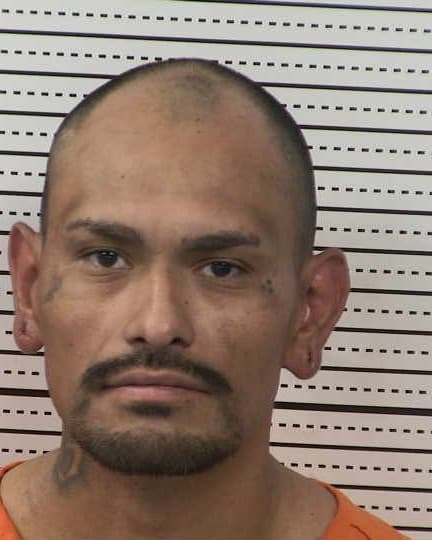
Las Cruces Man, 36, Charged with Parole Violation
ORLANDO JAQUES | 3 charges

Las Cruces Woman, 27, Charged with Probation Violation
JORDAN LEMLEY | 3 charges
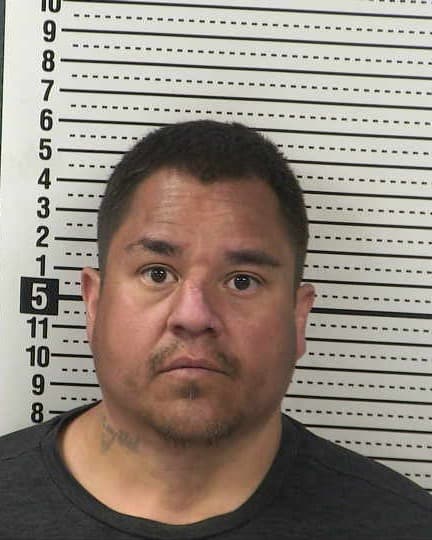
Santa Fe Man, 41, Charged with Probation Violation
MARTIN CUEVAS | 3 charges
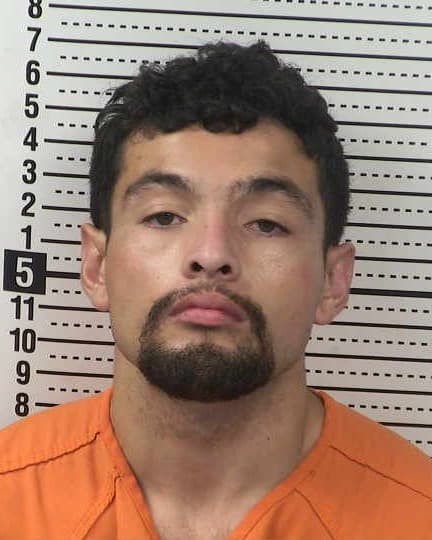
Vado Man, 23, Jailed on Four Felony Probation and Parole Violation Allegations
ANGEL IBARRA | 5 charges

Quentin John Crist, 48, of Las Cruces Booked on Felony Parole Violation
QUENTIN CRIST | 1 charge
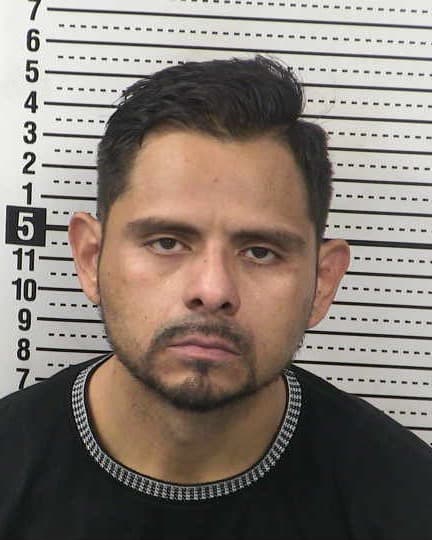
Carlos Manuel Herrera, 36, Jailed on Probation and Parole Violations
CARLOS HERRERA | 2 charges
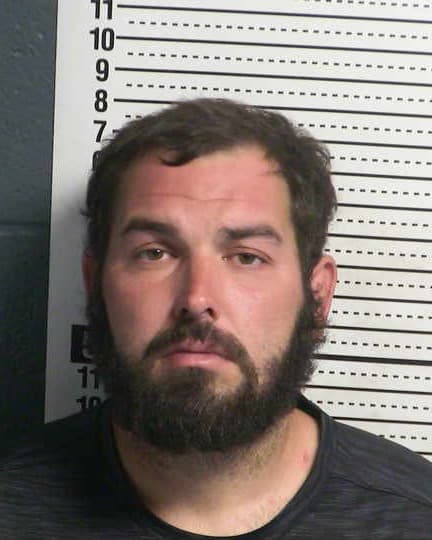
Organ Man, 29, Booked in Dona Ana County on Probation and Parole Violations
BRANDON MALDONADO | 4 charges
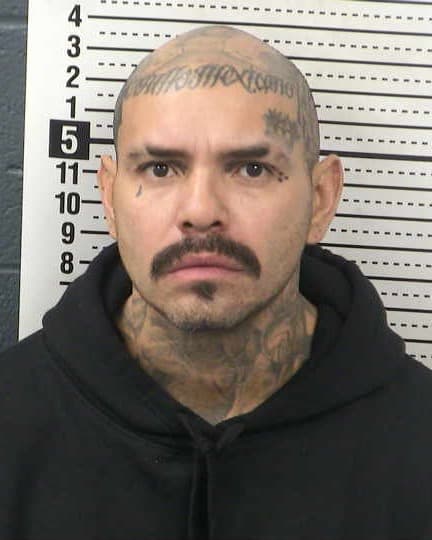
Las Cruces Man, 39, Booked on Stolen Firearm and Felon in Possession Charges
JORGE GONZALEZ | 5 charges
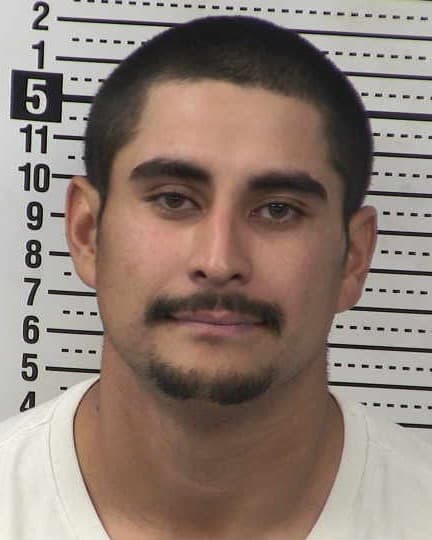
Berino Man, 28, Convicted of Fatal Hit-and-Run, Booked for Violations
OSCAR ANCHONDO | 2 charges
Information provided for general reference. Statutory text is summarized and may not reflect the most recent amendments. All persons listed are presumed innocent until proven guilty.