
Non-Residential Burglary
Legal Definition
A person commits non-residential burglary by unlawfully entering or remaining in any structure, vehicle, or other place — other than an occupied dwelling — with the intent to commit a felony or theft therein. The structure may include commercial buildings, storage units, garages, unoccupied homes, or vehicles. Entry without permission and with criminal intent is the core of the offense.
Possible Punishment
Basic sentence of 18 months imprisonment; fine up to $5,000. A mandatory period of parole (typically one year for fourth degree felonies) follows release. If the burglary involves a dwelling that is not occupied at the time, or if aggravating factors such as possession of a deadly weapon or explosives are present, the offense may be elevated to third degree burglary under § 30-16-4 NMSA.
Local Context
Non-residential burglary is distinguished from residential burglary (§ 30-16-3 NMSA, third degree felony) by the absence of an occupied dwelling. The statute covers a broad range of structures and vehicles. Intent to commit theft or any felony inside must exist at the time of entry or remaining. Repeat offenders or those with prior felony convictions may face habitual-offender sentencing enhancements.
Property-Crime Cases in Doña Ana County
Property charges in New Mexico scale with dollar value and circumstances. The same shoplifting conduct can be a petty misdemeanor or a felony depending on the value of what was taken, and burglary escalates sharply when the structure is a home or someone is inside. That is why our charge database lists several versions of larceny and burglary with different classifications.
Property cases also drive a large share of repeat bookings: failure to appear on an older larceny case frequently brings someone back into the detention center on a bench warrant alongside any new charge.
Related Guides
Misdemeanor vs. Felony in New Mexico: Sentences, Courts, and Consequences
How New Mexico separates petty misdemeanors, misdemeanors, and felony degrees: sentence ranges, jail vs. prison, habitual enhancements, and collateral costs.
Bench Warrants and Failure to Appear in New Mexico: How a Missed Court Date Becomes a Booking
What a bench warrant is, how it differs from an arrest warrant, why FTA bookings fill the Doña Ana County jail log, and how to clear a warrant before arrest.
Recent Arrests for This Charge (20)

Las Cruces Woman, 43, Booked on Felony Burglary and Larceny Charges
WENDY HOFBAUER | 2 charges

Mesquite Man, 19, Booked on Felony Burglary and Conspiracy Charges
ALEXIS ANGON | 2 charges

Las Cruces Man, 32, Booked on Burglary and Felony Shoplifting Charges
KEVIN GONZALES | 8 charges
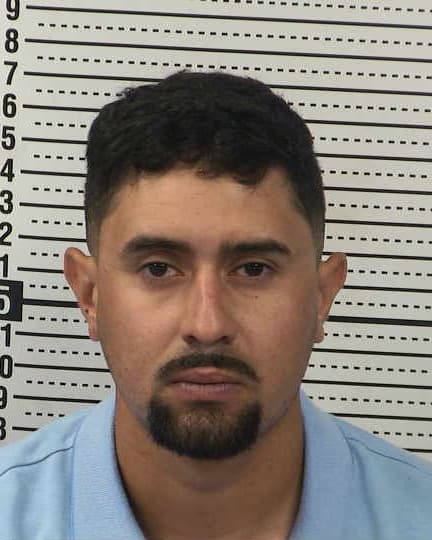
Las Cruces Man, 25, Booked on Multiple Felony Burglary and Damage Charges
JORGE GALLEGOS | 5 charges

Las Cruces Man, 34, Booked on Burglary and Drug Possession Charges
MICHAEL GRUBBS | 9 charges

Las Cruces Man, 37, Booked on Burglary and Conspiracy Charges
IVEY BLACK | 3 charges

Las Cruces Man, 32, Booked on Burglary and Conspiracy Felony Charges
OCHAN PARRA | 5 charges

Las Cruces Woman, 36, Booked on Charges of Non-Residential Burglary and Concealing Identity
NICHOLE CHAVEZ | 2 charges

Las Cruces Man, 43, Booked on Multiple Burglary and Felony Larceny Charges
ARMANDO PADILLA | 5 charges

Chaparral Woman, 39, Convicted of Burglary and Conspiracy Charges
VICTORIA CABRALES | 10 charges

Las Cruces Man, 28, Charged with Non-Residential Burglary
DANIEL NUNEZ-GARCIA | 3 charges

Las Cruces Man, 40, Booked on Felony Charges Including Church Desecration
MATTHEW ALARCON | 7 charges

Las Cruces Woman, 31, Charged with Non-Residential Burglary
XOCHITL FLORES | 3 charges

Las Cruces Woman, 36, Charged with Failure to Comply with Conditions of Release
MELISSA TREJO | 3 charges

Las Cruces Man, 42, Booked on Burglary and Conspiracy Charges
AARON TRUJILLO | 4 charges

Mesilla Park Man, 30, Booked on Burglary and Larceny Charges
ANDREW LOZOYA | 4 charges

Chaparral Woman, 39, Booked on Burglary, Arson, and Stolen Property Charges
VICTORIA CABRALES | 14 charges

Las Cruces Man, 32, Booked on 13 Felonies, Including Arson, Burglary
OCHAN PARRA | 13 charges
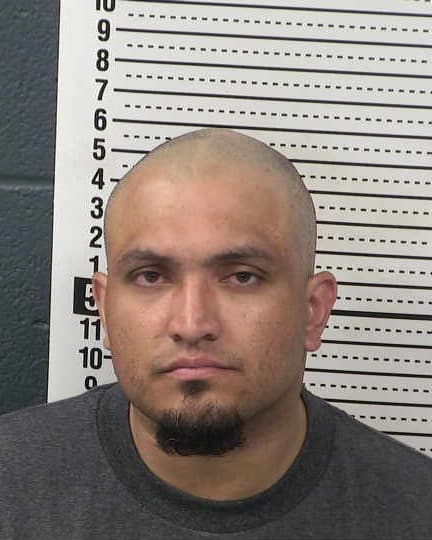
Las Cruces Man, 33, Booked on Burglary, Felon-in-Possession and Warrant Counts
DEREK CHAVEZ | 14 charges

Las Cruces Man, 53, Jailed on Non-Residential Burglary and Court Commitment
JOHNNY NORIEGA | 2 charges
Information provided for general reference. Statutory text is summarized and may not reflect the most recent amendments. All persons listed are presumed innocent until proven guilty.