
Auto Burglary
Legal Definition
A person commits auto burglary by unlawfully entering any vehicle with the intent to commit any felony or theft therein. The offense requires both unauthorized entry into a motor vehicle and the specific intent to steal property or commit another felony once inside. Breaking into or forcing open a locked vehicle to commit theft is the most common form of this offense.
Possible Punishment
Basic sentence of 18 months imprisonment; fine up to $5,000. A mandatory period of parole (typically one year) follows release from imprisonment. If the offender has prior felony convictions, habitual-offender sentencing enhancements may apply, increasing the potential term of imprisonment.
Local Context
Auto burglary is a specific application of New Mexico's general burglary statute to motor vehicles. The prosecution must prove intent to commit theft or a felony at the time of entry; mere unauthorized entry without that intent may constitute criminal trespass or tampering with a vehicle under separate statutes. The offense is complete upon unlawful entry with the requisite intent, regardless of whether any property is actually taken.
Property-Crime Cases in Doña Ana County
Property charges in New Mexico scale with dollar value and circumstances. The same shoplifting conduct can be a petty misdemeanor or a felony depending on the value of what was taken, and burglary escalates sharply when the structure is a home or someone is inside. That is why our charge database lists several versions of larceny and burglary with different classifications.
Property cases also drive a large share of repeat bookings: failure to appear on an older larceny case frequently brings someone back into the detention center on a bench warrant alongside any new charge.
Related Guides
Misdemeanor vs. Felony in New Mexico: Sentences, Courts, and Consequences
How New Mexico separates petty misdemeanors, misdemeanors, and felony degrees: sentence ranges, jail vs. prison, habitual enhancements, and collateral costs.
Bench Warrants and Failure to Appear in New Mexico: How a Missed Court Date Becomes a Booking
What a bench warrant is, how it differs from an arrest warrant, why FTA bookings fill the Doña Ana County jail log, and how to clear a warrant before arrest.
Recent Arrests for This Charge (12)
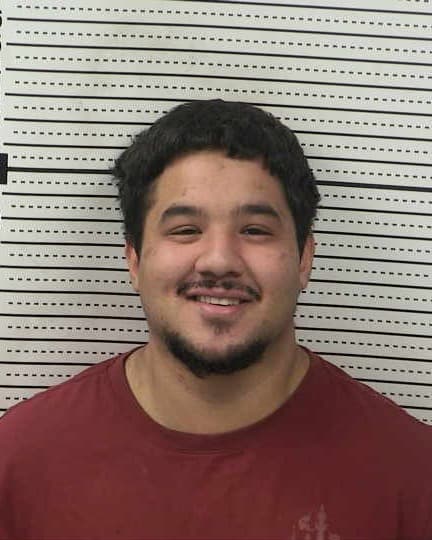
Las Cruces Man, 19, Booked on Auto Burglary and Credit Card Fraud Charges
JUAN RIVERA | 39 charges

Las Cruces Man, 32, Booked on Burglary and Felony Shoplifting Charges
KEVIN GONZALES | 8 charges
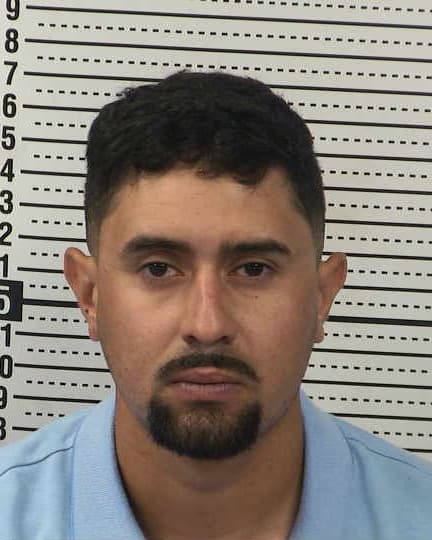
Las Cruces Man, 25, Booked on Multiple Felony Burglary and Damage Charges
JORGE GALLEGOS | 5 charges

Anthony Man, 26, Booked on Felony Auto Burglary and Vehicle Theft Charges
FRANCISCO GURROLA NORIEGA | 2 charges
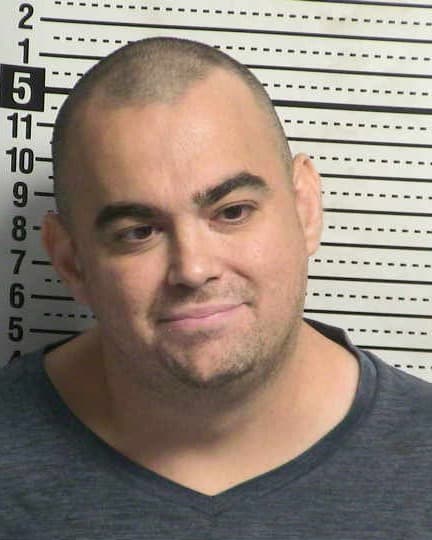
Las Cruces Man, 34, Booked on Felony Auto Burglary Charge
RAYMOND KRAVITZ | 1 charge

Las Cruces Man, 43, Booked on Felony Auto Burglary Charge
EDUARDO VERSAILLES | 1 charge
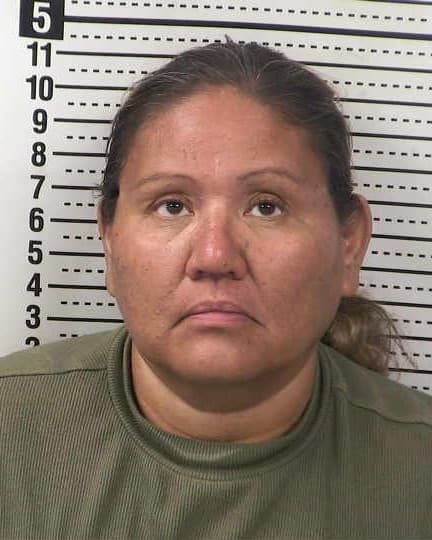
Las Cruces Woman, 46, Booked on Felony Auto Burglary Charge
MONICA LOPEZ | 1 charge

Las Cruces Man, 43, Booked on Multiple Burglary and Felony Larceny Charges
ARMANDO PADILLA | 5 charges

Las Cruces Man, 53, Booked on Felony Shoplifting and Auto Burglary Charges
BRADLEY CROSSLAND | 3 charges

Las Cruces Woman, 46, Booked on Felony Auto Theft and Burglary Charges
CRISTI POSTON | 12 charges

Las Cruces Man, 40, Booked on Burglary and Theft Charges at Nmsu Campus
CHRISTOPHER BERUMEN | 7 charges

Las Cruces Man, 35, Booked on Three Auto Burglary Counts, Evidence Tampering
ZACHARIAH BAKER | 8 charges
Information provided for general reference. Statutory text is summarized and may not reflect the most recent amendments. All persons listed are presumed innocent until proven guilty.